Choose Roof Lights for Daylight Access
Skylight Installation: Step-by-Step Tips for Homeowners
Skylight installation serves as a practical approach to boosting both natural light and ventilation throughout a home. Homeowners often underestimate the complexity of the process. Picking the correct skylight type and confirming exact measurements are essential early steps. Having the proper tools and materials on hand allows the installation to move forward without issue. Yet, frequent mistakes can occur, resulting in unwanted complications. Understanding these aspects can make all the difference in achieving a successful installation. What comes next in this essential guide?
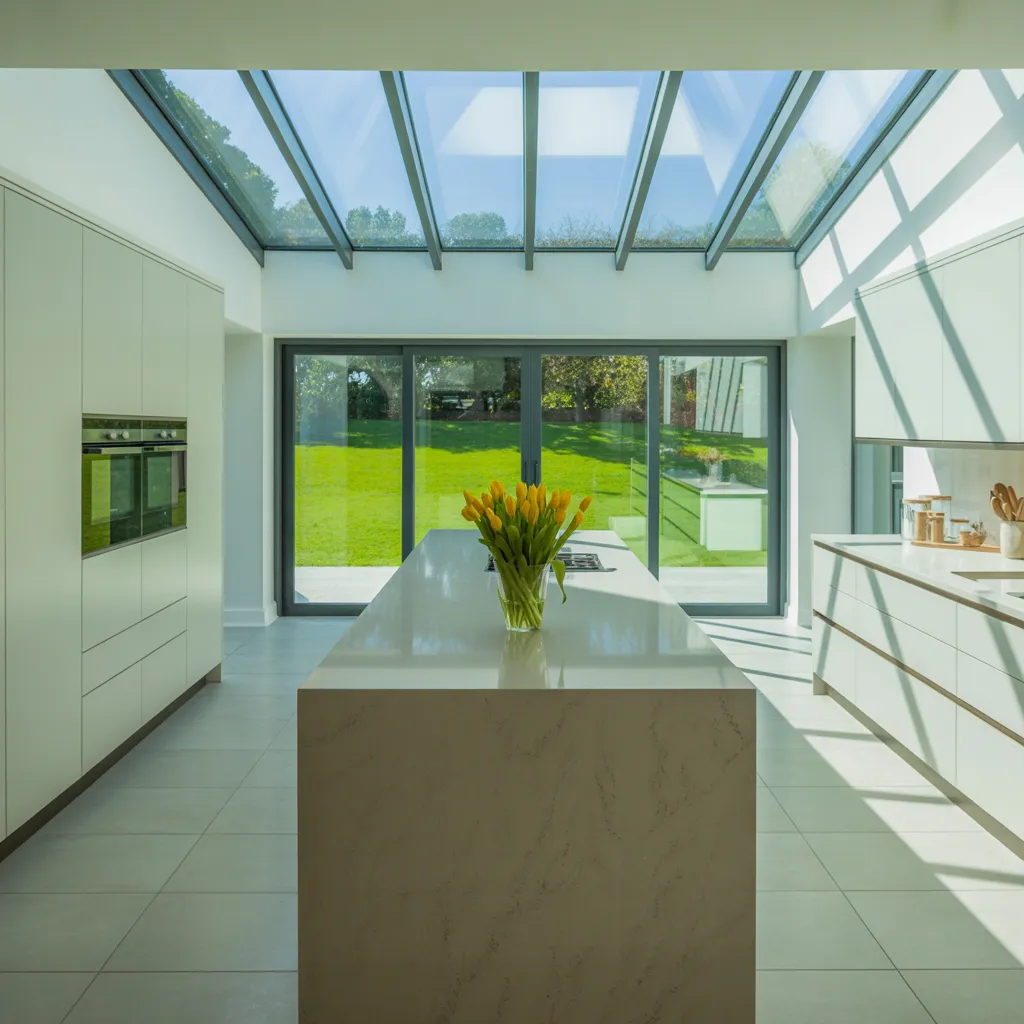
Exploring Skylights: Why They Are Important for Your Home
Skylights serve as windows to the sky, flooding homes with natural light and elevating overall ambiance. These design additions not only brighten interiors but also foster a sense of openness that elevates the overall design. By integrating skylights, homeowners can minimize the need for artificial lighting, contributing to potential energy savings. The abundance of natural light can favorably influence mood and well-being, leaving spaces feeling more inviting and cheerful.
In addition, skylights can optimize air circulation, letting warm air rise and exit while welcoming cooler air inside. Such natural air movement fosters a more enjoyable indoor environment, most notably during the summer months. Beyond that, thoughtfully situated skylights can accentuate select areas, such as artwork or architectural details, enhancing the visual appeal of the living space. Overall, understanding the benefits of skylights helps homeowners appreciate their role in creating a harmonious living environment, uniting purpose with visual charm.
Selecting the Perfect Skylight for Your Home
Selecting the ideal skylight for a residence involves several critical aspects. A review of skylight varieties, energy-saving aspects, and decorative features can guide homeowners arrive at informed selections. Every element is essential in improving both usability and aesthetic value.
Skylight Types Summary
When considering a skylight for a home, familiarizing yourself with the different types is important for arriving at an informed decision. Skylights are typically divided into three categories: fixed, vented, and tubular. Fixed skylights are stationary and mainly function to add natural light and visual appeal. Vented skylights are designed to let in fresh air and enhance airflow, making them ideal for rooms like kitchens and bathrooms. Tubular skylights, commonly referred to as sun tunnels, are intended for smaller spaces and channel sunlight through reflective tubes, providing natural light where larger skylights would not be practical. Each type has its own distinct benefits, and homeowners should assess their individual requirements and the intended location to select the best fit for their home.
Energy Efficiency Considerations
A detailed analysis of energy performance is critical for homeowners looking into skylight installation. Choosing the ideal skylight involves understanding factors such as glazing options, frame materials, and Energy Star ratings. Double or triple-glazed units with low-emissivity coatings reduce heat transfer, improving insulation and lowering energy costs. Homeowners ought to also evaluate the placement and orientation of the skylight to reduce heat gain during warmer months while maximizing natural light. Ventilating skylights can improve airflow and reduce reliance on air conditioning. Additionally, choosing energy-efficient models can qualify homeowners for potential rebates or incentives, thereby increasing the long-term value of the installation. Ultimately, thoughtful decisions about energy efficiency greatly improve the overall advantages of skylight installation.
Visual Design Elements
The overall effect of skylights can greatly enhance a home's internal and external appearance. When picking out a skylight, homeowners should consider factors such as size, shape, and style to guarantee harmony with current structural features. For instance, oversized skylights can produce a striking impression, while smaller options may complement cozy spaces. The choice of glass treatment also plays a significant role; clear glass can maximize natural light, whereas treated or textured glass delivers discretion. Additionally, framing components, including timber or steel, ought to complement the property's aesthetic direction. Ultimately, the ideal skylight not only enhances a space's atmosphere but also contributes to the home's curb appeal, making thoughtful decisions critical for design consistency.
Important Tools and Supplies for Skylight Installation
Effective skylight installation necessitates a dedicated range of tools and materials to provide a reliable and streamlined experience. Vital tools include a tape measure for precise dimensions, a level to confirm correct positioning, and a utility knife for accurate trimming. A drill is necessary for creating pilot holes, while roofing nails and a hammer secure the skylight frame. Protective equipment, including gloves and goggles, is likewise critical for shielding against likely risks.
Materials needed for installation consist of the skylight unit along with flashing for leak prevention and sealant for waterproofing. A sturdy ladder is also essential for safely reaching the installation site. Based on the type of roofing material, shingles or underlayment might also be necessary. Collecting these tools and materials in advance will simplify the installation process, preventing delays and ensuring a successful result.
A Step-by-Step Guide for Skylight Installation
Start by choosing the perfect position for the skylight, confirming it aligns with the structural integrity of the roof and maximizes daylight. Following this, assess the measurements of the chosen skylight and outline the perimeter on the roof. Methodically cut through the roofing materials, taking care to work around any structural elements.
Once the opening is created, use 2x4s to frame the skylight to ensure structural stability and support. Place a flashing kit around the opening to avoid water infiltration, verifying that it extends over the surrounding roofing materials.
Place the skylight inside the framed opening, securing it in accordance with the manufacturer's guidelines. Seal any gaps with suitable caulking material to enhance waterproofing.
To complete the process, reinstall the roofing components surrounding the skylight, ensuring a snug fit. On the inside, finish the drywall and trim as required, wrapping up the installation so that natural light can flood the space.
Addressing Common Skylight Installation Challenges
During skylight installation, several common issues can arise that might affect the overall success of the project. Installation leaks, inadequate sealing methods, and misplaced flashing are common issues that could cause major damage if not corrected in a timely manner. Knowing how to identify and in-depth article resolve these problems is critical for achieving a proper skylight installation.
Leaks That Occur During Installation
Tackling leaks throughout skylight installation is critical in order to secure a watertight seal and prevent long-term damage. Homeowners should first inspect the flashing and underlayment for any gaps or misalignments that could lead to water intrusion. Proper alignment of the skylight within the roof opening is critical; any degree of tilt can intensify existing leaks. Throughout the installation process, applying premium sealants and flashing materials is advised to deliver an additional layer of defense against moisture. Additionally, checking for any debris or obstructions that may hinder drainage around the skylight is important. Routine evaluations following installation can assist in detecting potential problems before they worsen, preserving the long-term durability of the skylight and the adjacent roofing structure.
Improper Sealing Techniques
Leaks during installation are commonly caused by inadequate sealing methods, highlighting the need to recognize frequent mistakes. One typical oversight is failing to apply an adequate amount of sealant, which may result in spaces that enable moisture penetration. It is also important for homeowners to confirm that the sealant is compatible with both the skylight material and the roofing surface. Additionally, neglecting to smooth and evenly distribute the sealant could produce problem spots that weaken the overall installation. In some cases, using the wrong type of sealant, like standard caulk rather than a flexible roofing sealant, could intensify the complications. By identifying these problems, homeowners are able to implement preventive measures to achieve a fully watertight result, thereby extending the lifespan of their skylight and reducing the risk of costly future repairs.
Improper Flashing Placement
Ensuring proper flashing placement is critical for a effective skylight installation. Improper flashing can lead to severe moisture intrusion and structural damage, jeopardizing the whole installation project. It is important that the flashing overlaps correctly with the roofing material to form a watertight seal. It is advisable for homeowners to confirm that the flashing is installed according to the manufacturer's guidelines and that it blends smoothly with surrounding roof components. Typical oversights consist of improper alignment, inadequate sealing at joints, and failing to utilize proper materials. Regular inspections subsequent to installation can help identify possible problems at an early stage. Promptly resolving these flashing issues can protect homeowners against expensive fixes and secure the longevity of their skylight. Diligent focus on flashing will support a robust and reliable skylight setup.
Skylight Care Tips for Long-Lasting Performance
Routine maintenance plays a vital role in prolonging the lifespan of a skylight. Homeowners should regularly inspect the skylight for signs of wear, such as cracks or discoloration in the glass. Maintaining a cleaning schedule of at least twice per year for the skylight helps eliminate debris build-up that may diminish light and reduce visual appeal. A gentle soap solution and a soft cloth are adequate for this task.
Inspecting the flashing and weatherproofing is essential to prevent leaks. Residents should ensure that these areas are in good condition and debris-free. If damage is found, prompt repairs can prevent expensive water damage.
Additionally, removing branches that hang over can limit the buildup of debris and lower the risk of damage during harsh weather events. As a final tip, seek out professional inspections every few years or so to verify that the skylight remains in top condition. By adhering to these guidelines, homeowners and residents can make the most of their skylight installations for many years to come.

Common Questions and Answers
Can I Install a Skylight Myself, or Should I Hire a Professional?
Deciding whether to install a skylight yourself or engage a professional relies on the person's expertise and prior experience. When in doubt, seeking advice from a professional can ensure correct installation and prevent possible structural complications.
When Is the Ideal Time of Year for Skylight Installation?
The ideal time for skylight installation is throughout spring or early fall. These seasons generally provide mild weather, lowering the likelihood of rain or snow, and providing ideal working conditions and reliable sealing of the skylight.
What Are the Typical Costs Associated with Installing a Skylight?
The typical cost of skylight installation falls between $1,000 and $3,000, based on factors including size, material, and installation complexity. Homeowners ought to factor in supplementary charges for permits and necessary roofing repairs when budgeting for the project.
Will Installing a Skylight Affect My Home's Energy Efficiency?
Installing a skylight can enhance a home's energy efficiency by allowing natural light to reduce reliance on artificial lighting. That said, poor installation or inadequate insulation may lead to excessive heat loss or gain, compromising the home's overall efficiency.
What Permits Are Required for Skylight Installation?
Local building permits are commonly needed for skylight installation. Property owners need to verify with their municipality to determine the applicable regulations, including zoning requirements and structural evaluations, guaranteeing adherence to safety and energy efficiency requirements.